
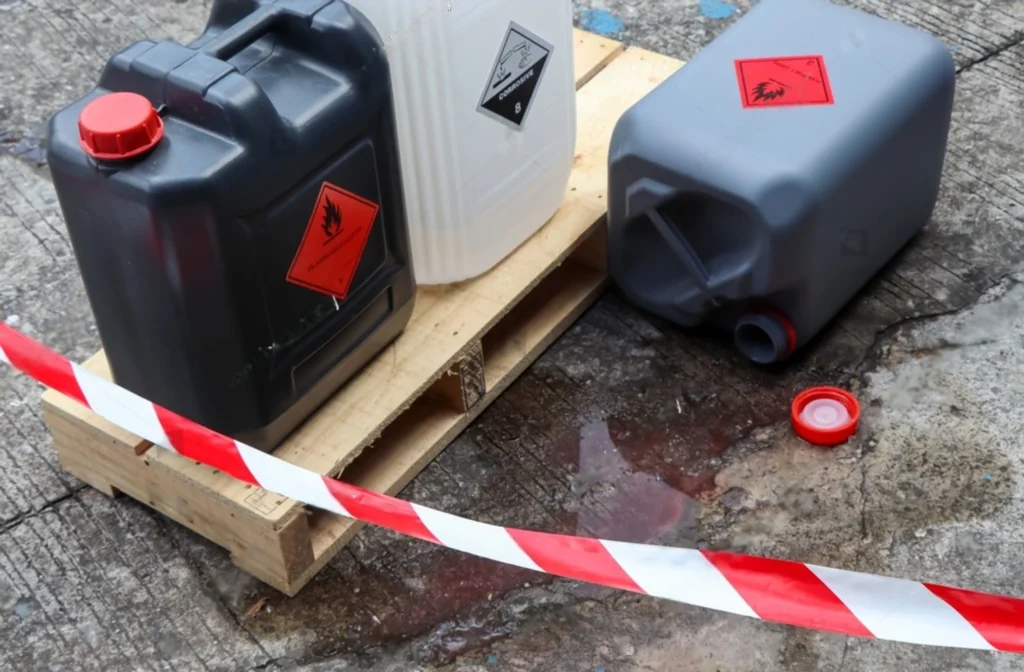
Chemical spills in the workplace can happen in seconds but pose risks that last much longer. Whether you’re managing a manufacturing facility in Dubai, a laboratory in Abu Dhabi, or a warehouse in Sharjah, knowing how to respond quickly and safely to chemical spills isn’t just good practice, it’s essential for protecting your team, your operations, and the environment.
In the UAE’s hot climate, chemical spills present unique challenges. High temperatures can accelerate evaporation, intensify fumes, and increase the risk of chemical reactions. This makes proper spill response protocols not just important, but critical for every workplace handling cleaning chemicals, industrial solvents, or hazardous materials.
This comprehensive guide will walk you through everything you need to know about chemical spill cleanup, from immediate response steps to prevention strategies, all tailored for UAE workplace requirements.
How to Clean Up Chemical Spills in the Workplace?
Chemical spill cleanup requires immediate assessment, proper personal protective equipment, and containment to prevent spreading.
For minor spills, trained employees should use appropriate absorbent materials and work from the outer edges inward, then dispose of contaminated materials as hazardous waste. Major spills involving unknown chemicals, large quantities, or toxic substances require immediate evacuation and professional emergency response teams.
Always consult Safety Data Sheets (SDS) before attempting cleanup and ensure your workplace maintains properly stocked spill response kits appropriate for the chemicals you handle.
How to Clean Chemicals in the Workplace? Step by Step
Chemical spills in the workplace require immediate and proper response to protect workers, prevent environmental damage, and comply with safety regulations. Here’s a comprehensive guide to handling these situations safely.
Immediate Response Steps
When a chemical spill occurs, your first priority is safety. Immediately alert others in the area and evacuate if necessary. If the spill is large, involves highly toxic or flammable materials, or if you’re unsure how to handle it safely, call emergency services and your facility’s emergency response team right away.
For minor spills that can be handled safely, ensure you’re wearing appropriate personal protective equipment (PPE) before approaching. This typically includes chemical-resistant gloves, safety goggles, lab coat or protective clothing, and potentially a respirator depending on the chemical involved.
Assessment Phase
Before attempting cleanup, identify the spilled chemical by checking the container label or safety data sheet (SDS). Understanding what you’re dealing with determines your cleanup approach. Assess the size and severity of the spill—most workplaces define minor spills as those under 1 gallon that don’t pose immediate danger, while major spills exceed this or involve particularly hazardous materials.
Check if the spill has spread to drains, ventilation systems, or other areas where it could cause greater harm. Confine the spill if possible by using absorbent barriers or booms to prevent it from spreading further.
Cleanup Procedure
For minor spills you can safely handle, start by containing the spill using absorbent materials like spill pads, pillows, or loose absorbents such as vermiculite or commercial spill kits. Work from the outside edges toward the center to prevent spreading. Allow the absorbent material sufficient time to soak up the chemical completely.
Once absorbed, carefully collect the contaminated materials using appropriate tools like scoops or brushes. Never use your hands, even when gloved, for direct contact. Place all contaminated materials, including used PPE, into appropriate hazardous waste containers that are clearly labeled.
Neutralize acids or bases only if your facility has specific procedures for doing so and you’re trained in the process. Improper neutralization can create heat or dangerous reactions.
Decontamination
After removing the bulk of the spill, clean the affected area thoroughly. The cleaning method depends on the chemical—some require simple soap and water, while others need specific decontaminants. Consult the SDS for guidance. Rinse the area and dry it completely.
Dispose of all cleanup materials as hazardous waste according to your facility’s procedures and local regulations. Document the incident, including what was spilled, how much, cleanup procedures used, and any exposures that occurred.
Prevention and Preparedness
The best spill management is prevention. Ensure your workplace maintains readily accessible spill kits appropriate for the chemicals you use. Keep SDSs for all chemicals easily available, train all employees on spill response procedures specific to your workplace, and conduct regular drills.
Store chemicals properly with compatible substances grouped together and incompatible ones separated. Use secondary containment for liquid chemical storage, and inspect storage areas regularly for leaks or damaged containers.
When to Call for Help
Some situations require professional hazmat teams rather than in-house cleanup. Call emergency services if the spill is large (typically over 1 gallon), involves extremely toxic or reactive chemicals, has entered drains or waterways, poses fire or explosion risk, or if anyone has been exposed and injured. Also seek help if you lack proper equipment or training, or if you’re simply unsure about safe cleanup procedures.
Remember that proper training is essential before attempting any chemical spill cleanup. Your employer should provide specific training on the chemicals in your workplace and your facility’s emergency response procedures. When in doubt about any aspect of spill cleanup, always err on the side of caution and call for professional assistance.
Why Chemical Spill Response Is Critical in UAE Workplaces?
The UAE’s unique environmental and regulatory landscape makes proper chemical spill management especially important for several compelling reasons.
Climate Considerations: The UAE’s high temperatures, often exceeding 45°C in summer months, accelerate chemical evaporation and can intensify toxic fumes. This means spills that might be manageable in cooler climates become more dangerous here, requiring faster response times and enhanced ventilation measures.
Regulatory Compliance: UAE authorities, including the Ministry of Climate Change and Environment and local municipalities, enforce strict regulations regarding hazardous material handling and environmental protection. Businesses must comply with federal law regarding chemical safety and workplace health standards. Non-compliance can result in substantial fines and operational shutdowns.
Workplace Safety Standards: The UAE places strong emphasis on occupational health and safety. Companies operating in free zones and mainland UAE must adhere to international safety standards while meeting local requirements. Proper chemical spill response demonstrates your commitment to employee welfare and regulatory compliance.
Business Continuity: In the UAE’s competitive business environment, workplace incidents can severely impact operations, reputation, and profitability. A well-managed spill response minimizes downtime and protects your business continuity.
Immediate Response Steps for Chemical Spills
When a chemical spill occurs, your first moments of response are crucial. Follow this systematic approach:
Assess the Situation Quickly: Before taking action, evaluate the spill within seconds. Identify the chemical involved by checking labels or Safety Data Sheets (SDS). Determine the spill size and whether it’s spreading. Check for immediate dangers like fire, toxic fumes, or reactive materials. Verify if anyone is injured or contaminated.
Alert and Evacuate: Immediately warn everyone in the immediate area. If the spill is major or involves unknown chemicals, evacuate the affected zone and adjacent areas. Activate your emergency alarm system if necessary. Ensure no one enters the contaminated area without proper protective equipment.
Contain the Spill: If safe to do so and you have proper training, prevent the spill from spreading. Use absorbent barriers, spill berms, or absorbent materials to create containment boundaries. Block drains and doorways to prevent environmental contamination. Never attempt containment if it puts you at risk.
Personal Protection First: Only trained personnel with appropriate Personal Protective Equipment (PPE) should approach a chemical spill. Required PPE typically includes chemical-resistant gloves, safety goggles or face shields, protective footwear, and chemical-resistant aprons or suits. For volatile or toxic chemicals, respiratory protection may be necessary.
Clean Up the Spill: For minor spills that employees are trained to handle, use appropriate absorbent materials. Work from the spill perimeter inward to prevent spreading. Apply neutralizers only when specifically recommended for the chemical involved and you’re trained in their use. Collect all contaminated materials in appropriate chemical waste containers.
Dispose of Waste Properly: Contaminated materials must be treated as hazardous waste. Place them in clearly labeled, compatible containers. Never mix different chemical wastes. Follow UAE hazardous waste disposal regulations and work with licensed waste management contractors. Maintain disposal documentation as required by law.
Decontaminate the Area: After removing visible contamination, thoroughly clean and decontaminate the affected area. Use appropriate cleaning solutions and ensure adequate ventilation. Test the area to confirm no hazardous residues remain. Restore any safety equipment that was removed.
Report and Document: Complete incident reports detailing the spill type, response actions, personnel involved, and any injuries or exposures. Document the root cause and identify corrective actions. Review the incident with your safety team and update procedures if needed.
Compliance with UAE Safety Regulations
Operating in the UAE requires adherence to both federal and local safety regulations. Familiarize yourself with UAE Federal Law requirements regarding hazardous materials. Comply with municipality-specific regulations in Dubai, Abu Dhabi, or your emirate. Meet international standards such as ISO 45001 for occupational health and safety. Maintain required documentation including SDS for all chemicals, spill response procedures, training records, and incident reports.
Some situations require professional emergency response. Contact specialized services immediately if the spill involves unknown chemicals, exceeds your team’s training and equipment capabilities, results in injuries or exposures, threatens to enter drainage systems or waterways, or involves fire or explosion risks.
At Kemtech Hygiene, we provide safe cleaning chemicals, cleaning machines and other equipment in Dubai. We are the importer, exporter, and wholesaler in UAE. Get your quote now.